NCCE Convenes Stakeholders for Critique of Revised 2020 NCE Curriculum
Critique Workshop : 2/23/2026 10:11:41 AM By: Info. & Corp. Services Directorate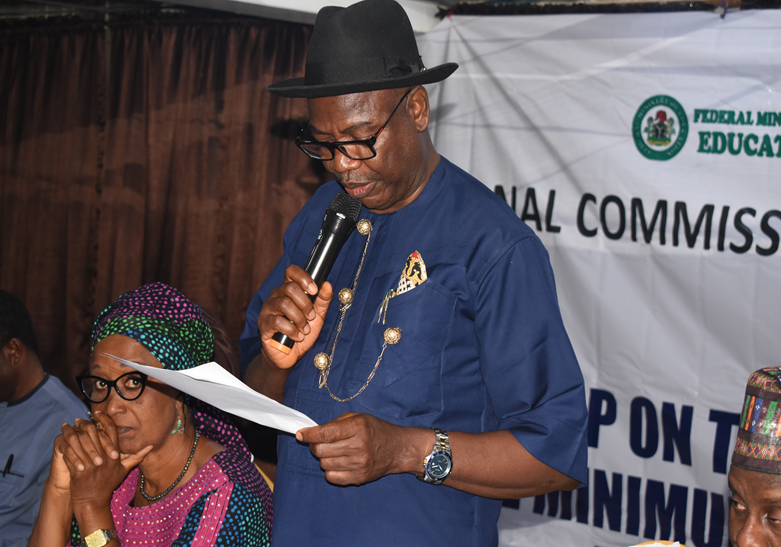
Following the review of the 2020 Colleges of Education curriculum held at the College of Education, Akwanga, in Nasarawa State, in January 2026, the reform process has entered its second phase, the critique and validation of the revised Nigeria Certificate in Education Minimum Standards and the Curriculum Implementation Framework.
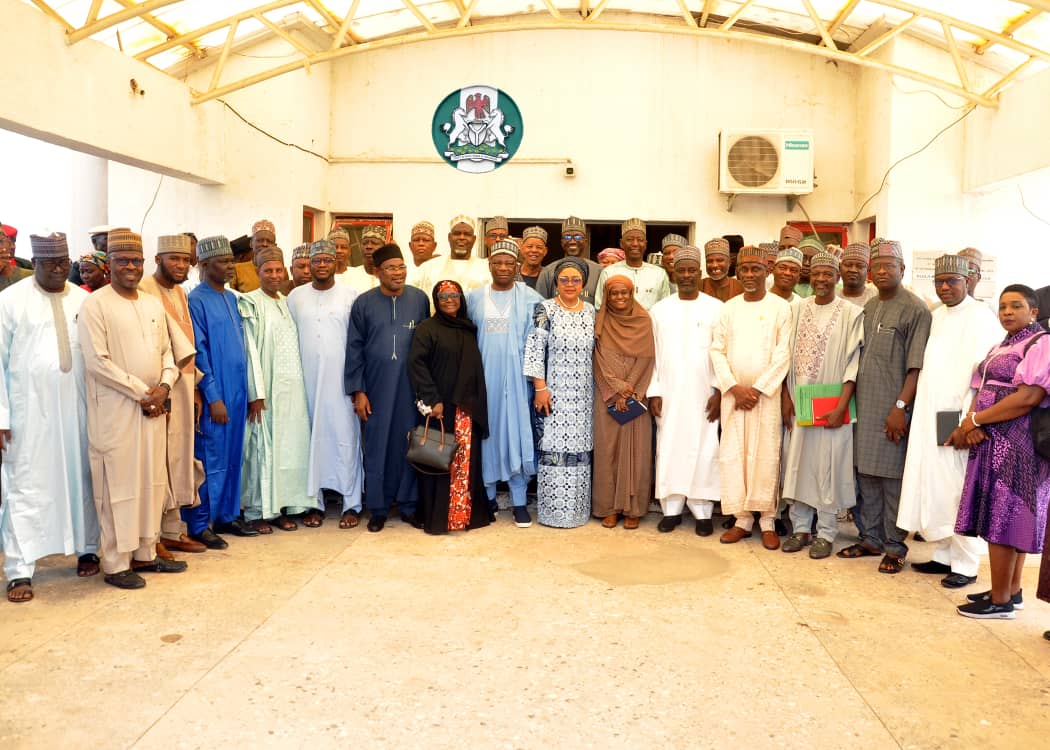
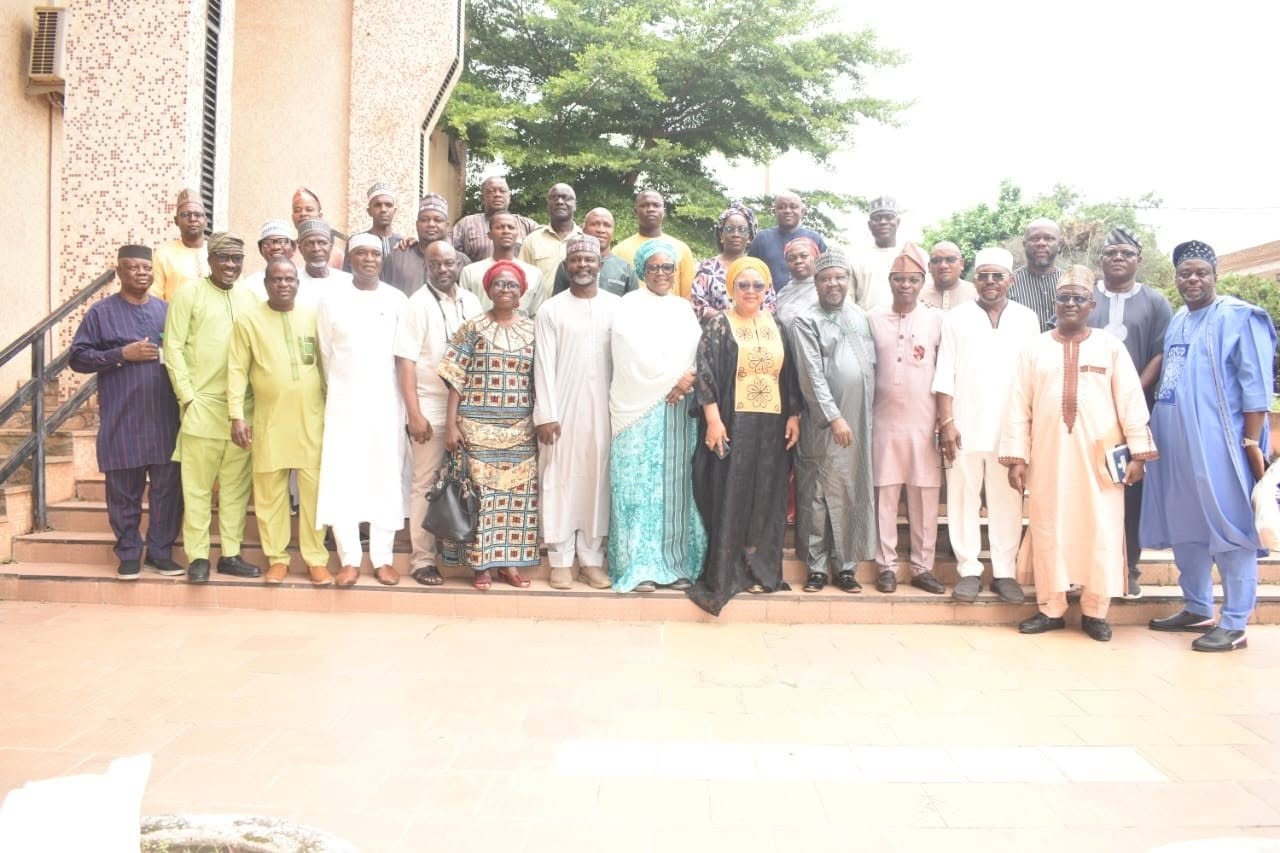
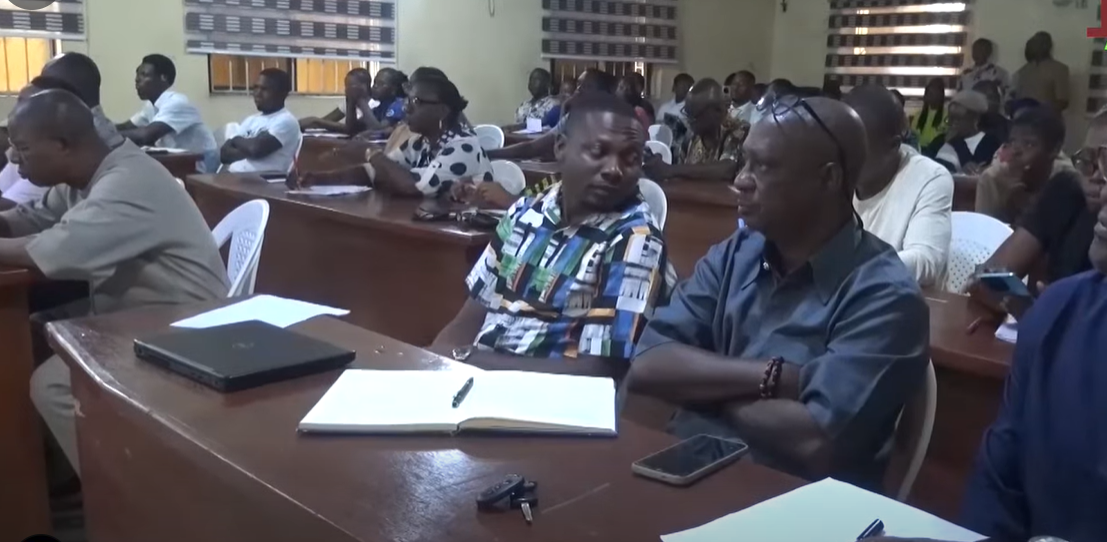
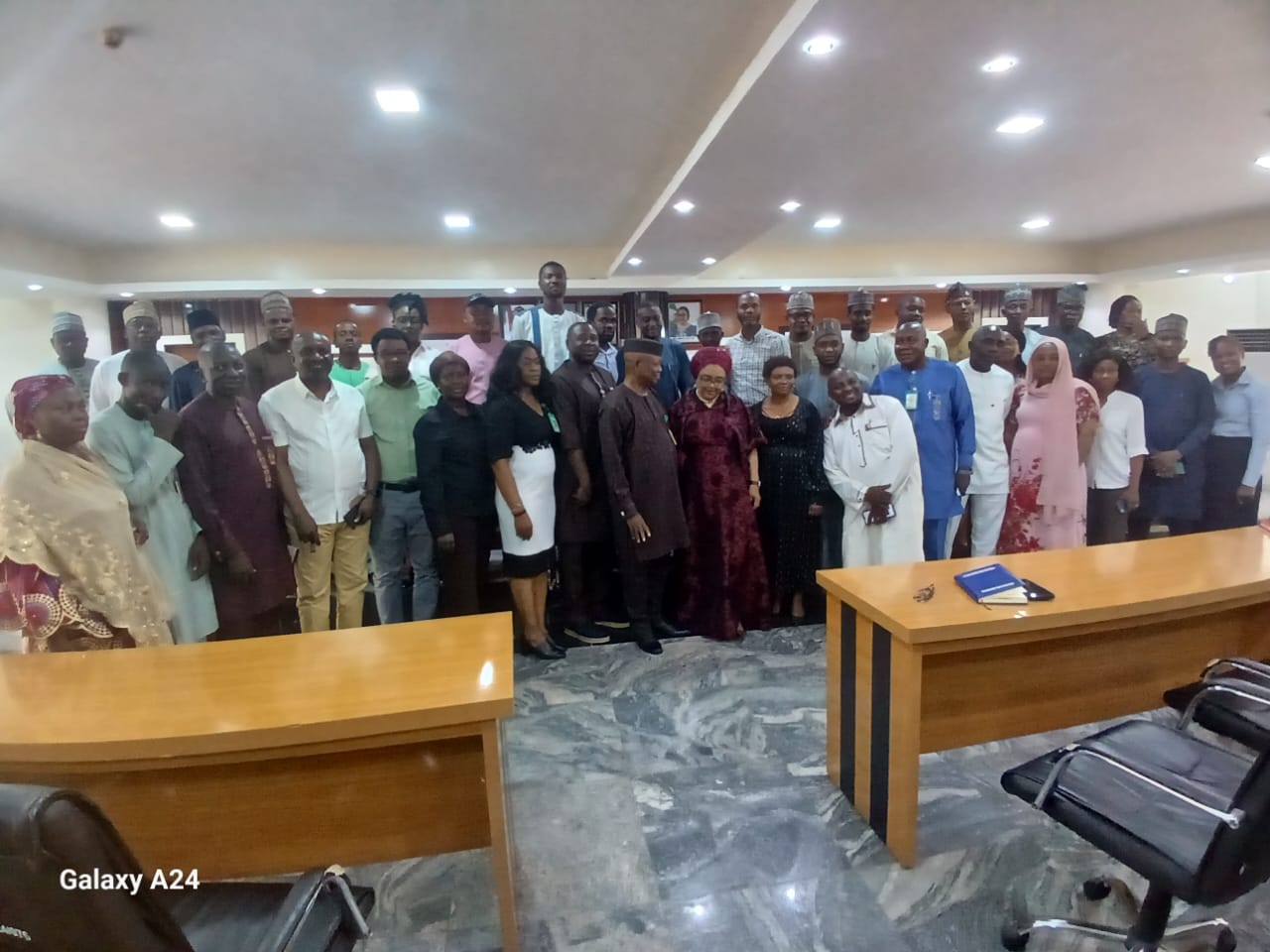
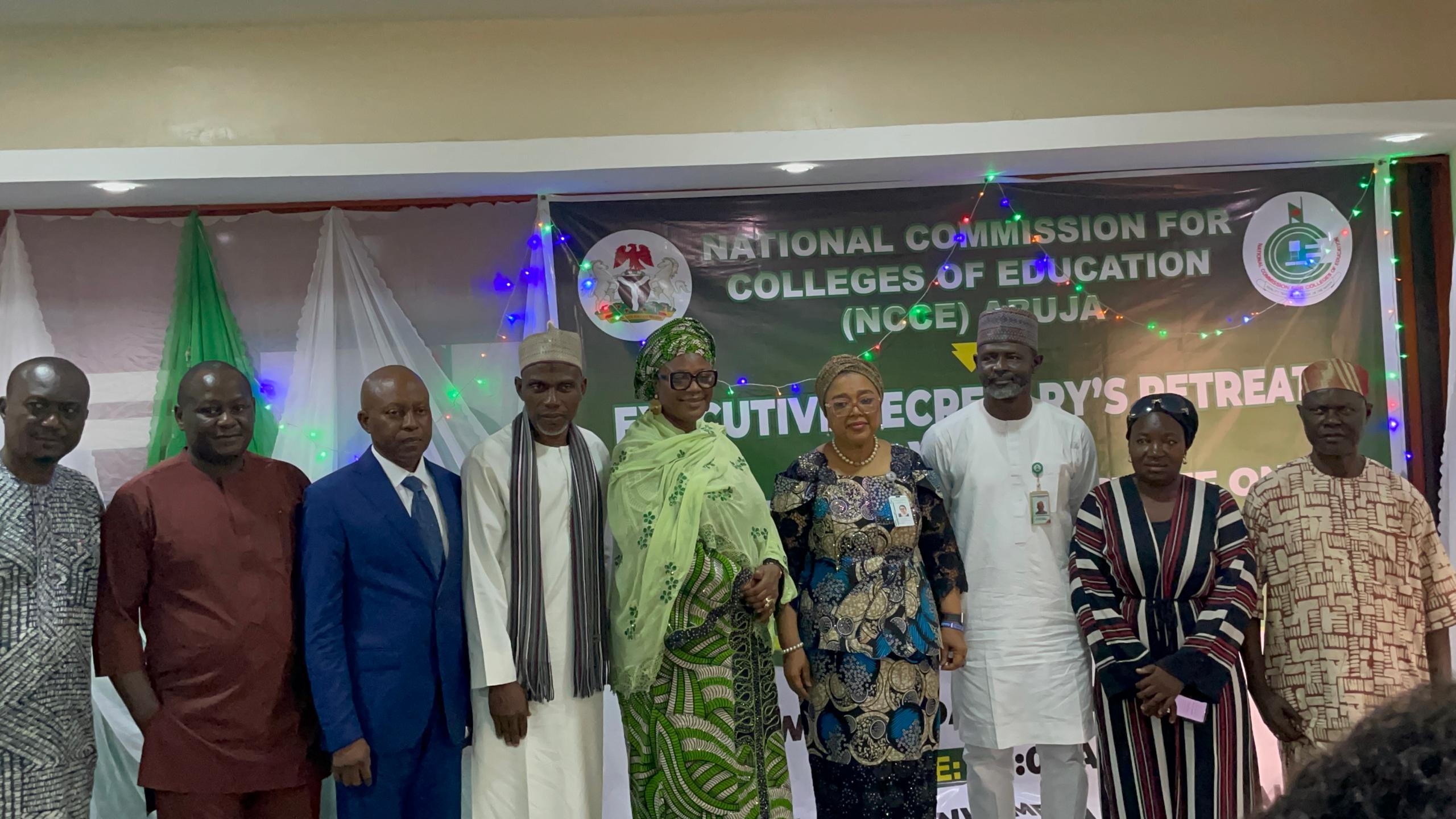
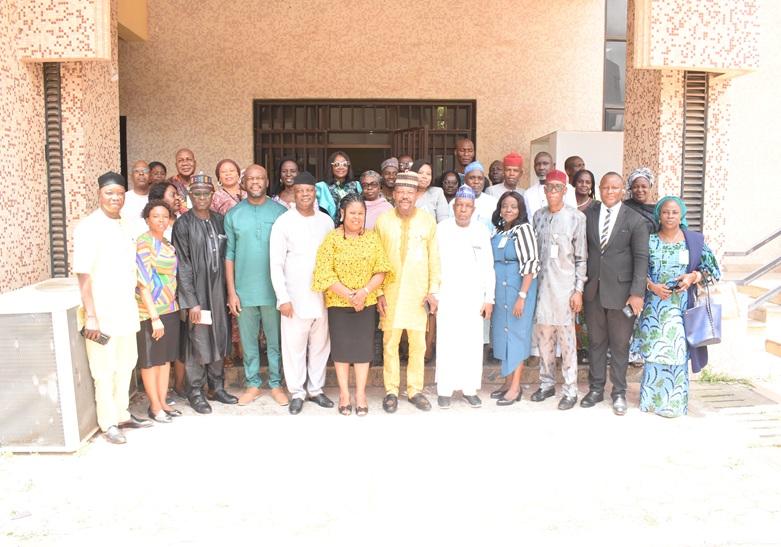
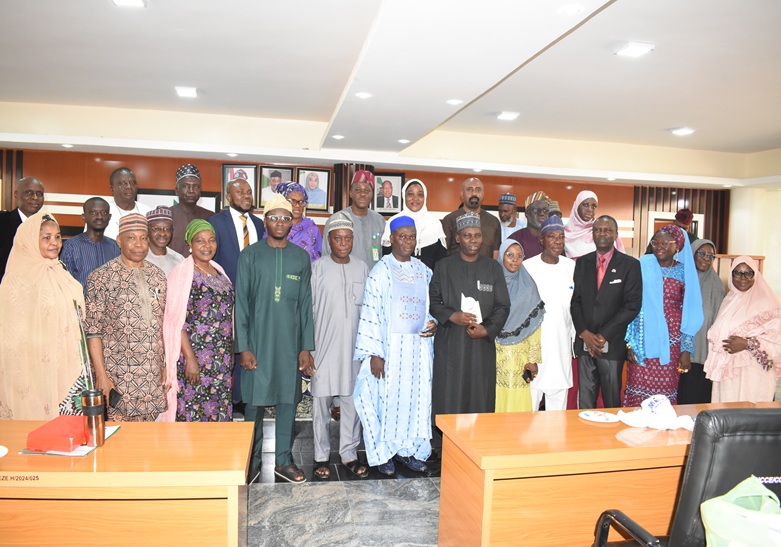
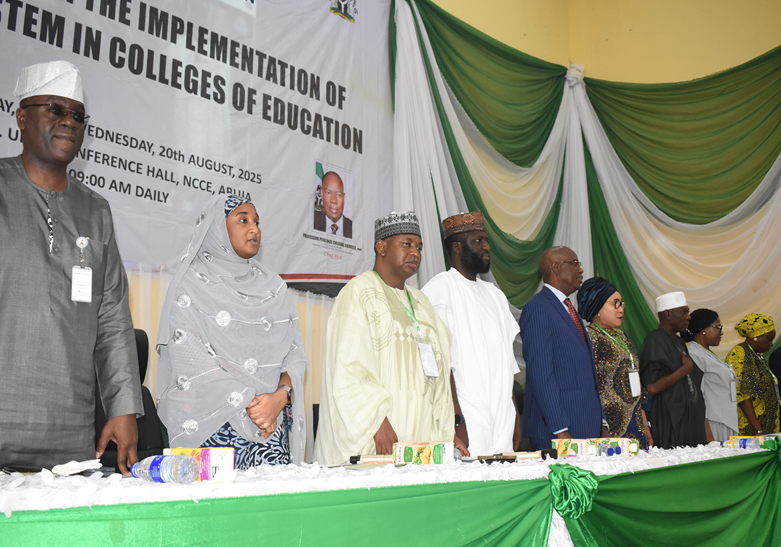
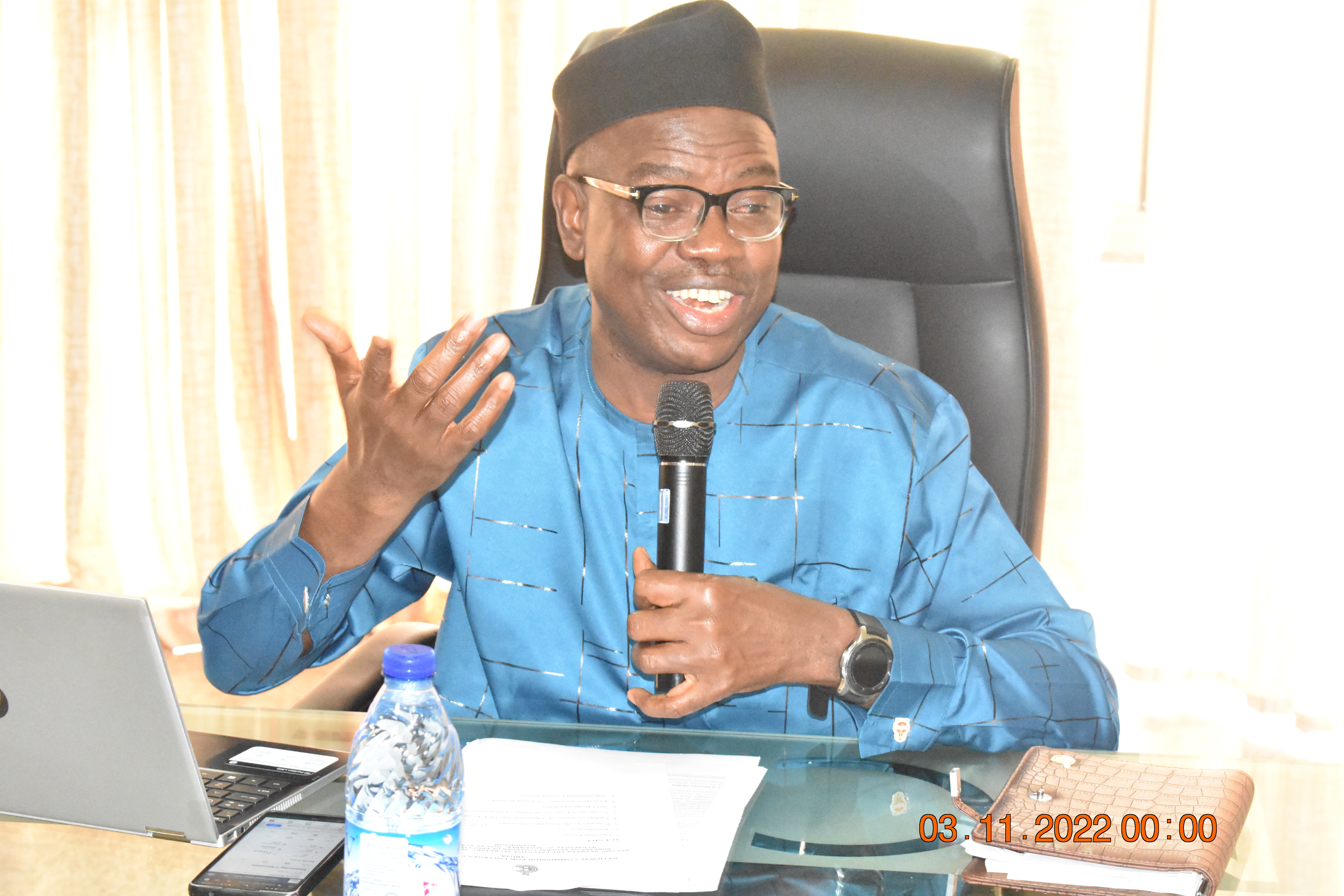
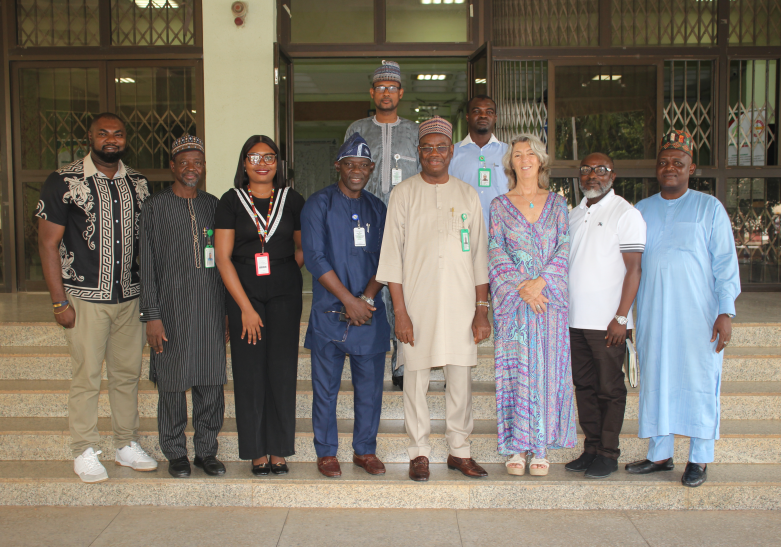
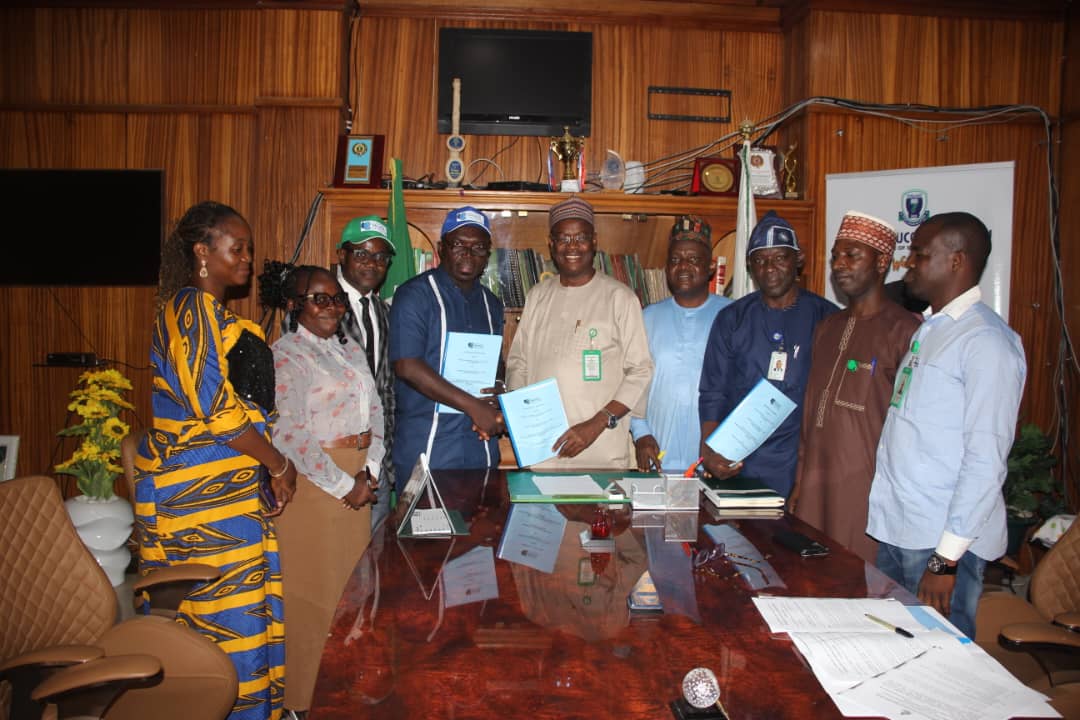
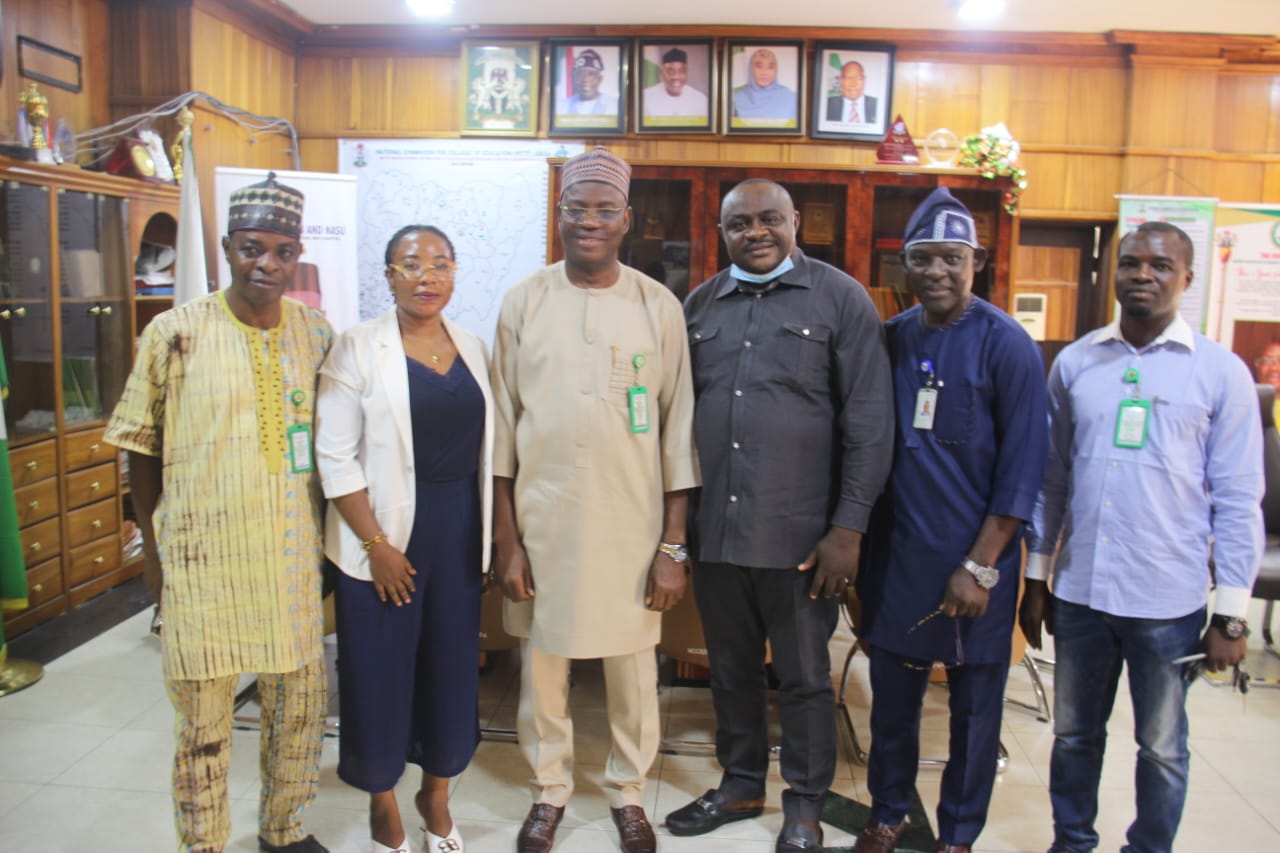
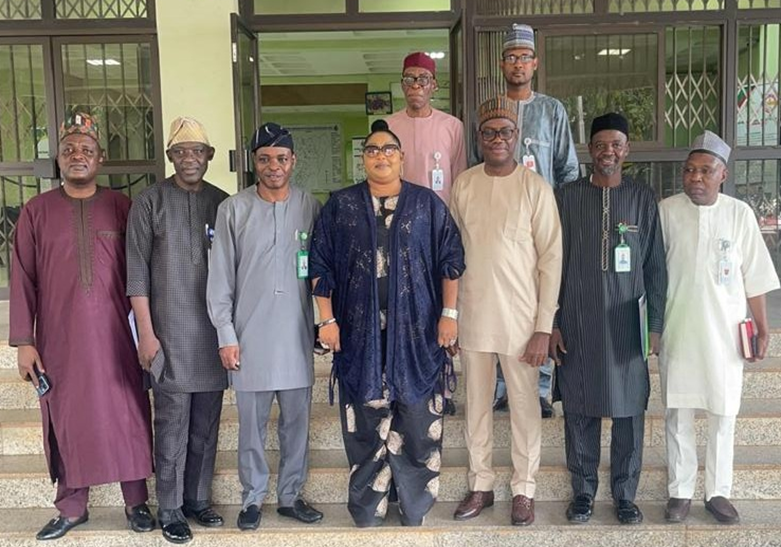
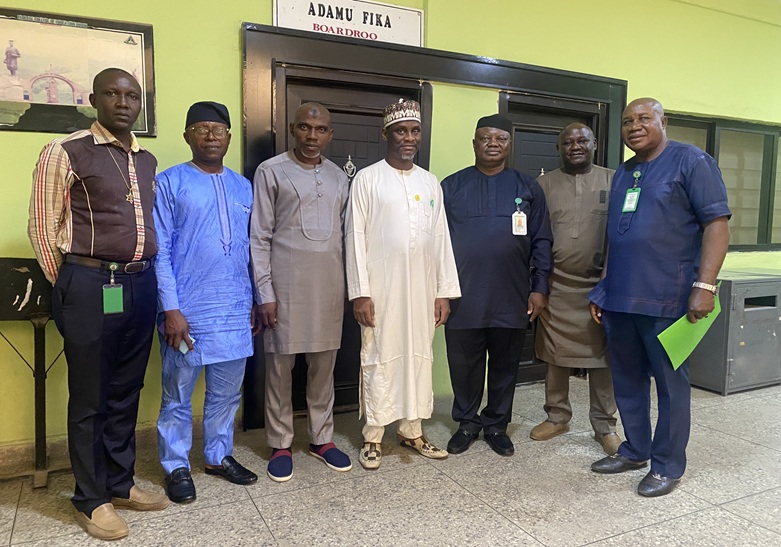
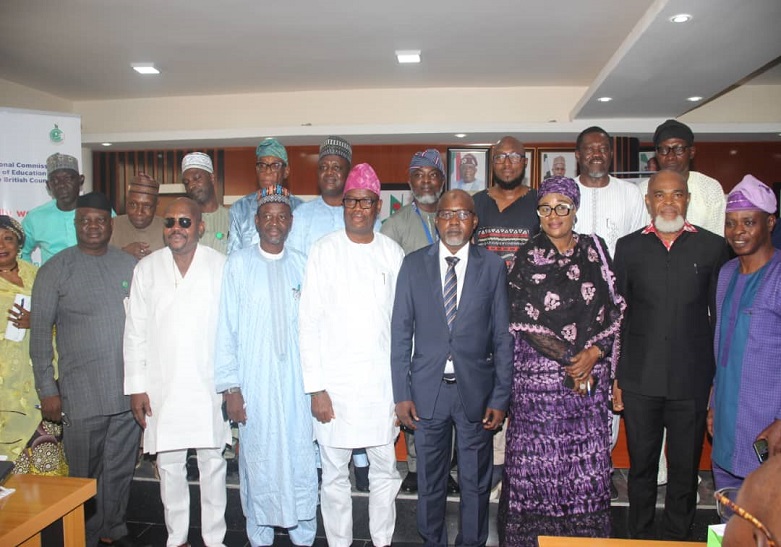
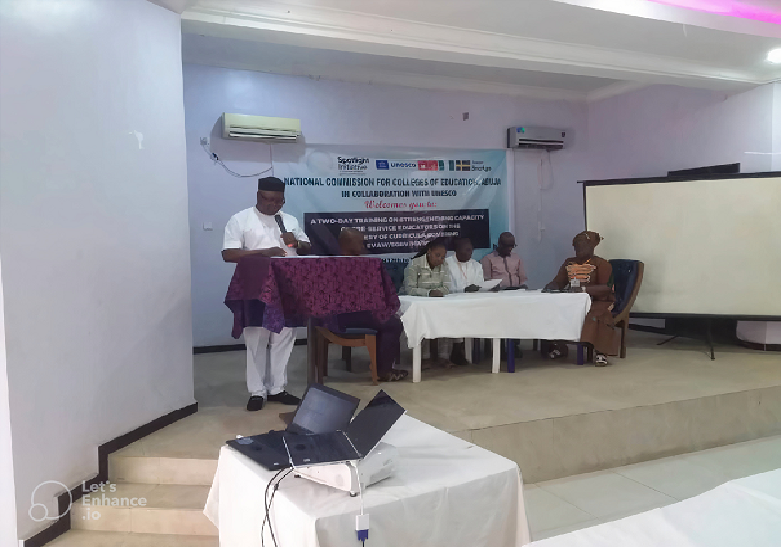
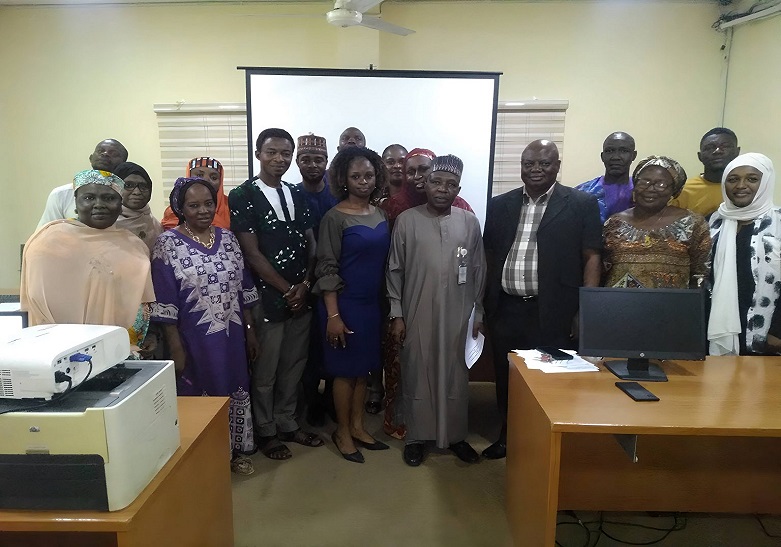
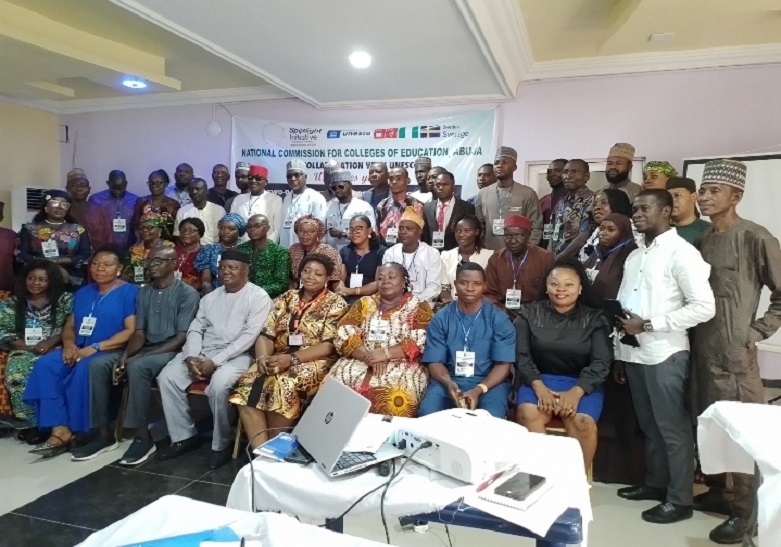
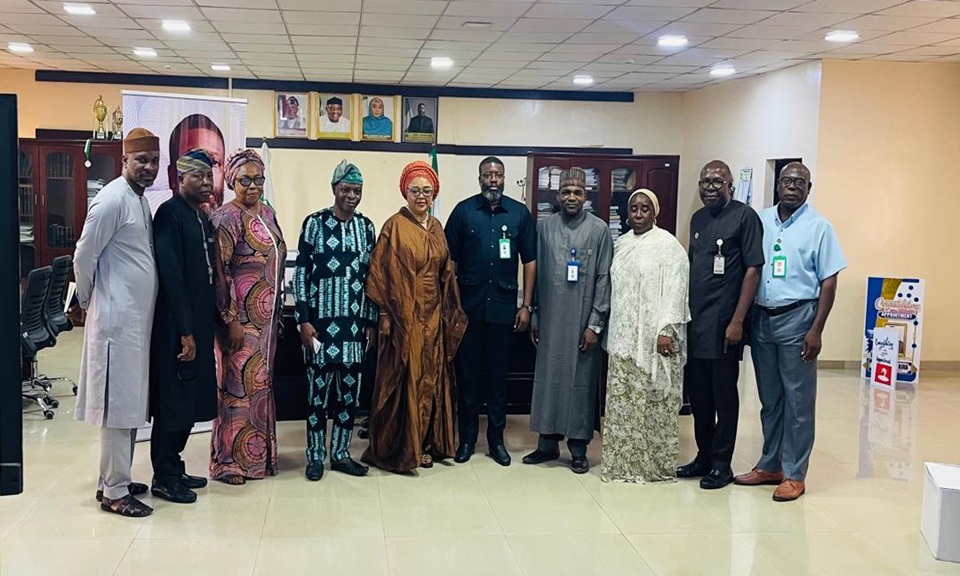
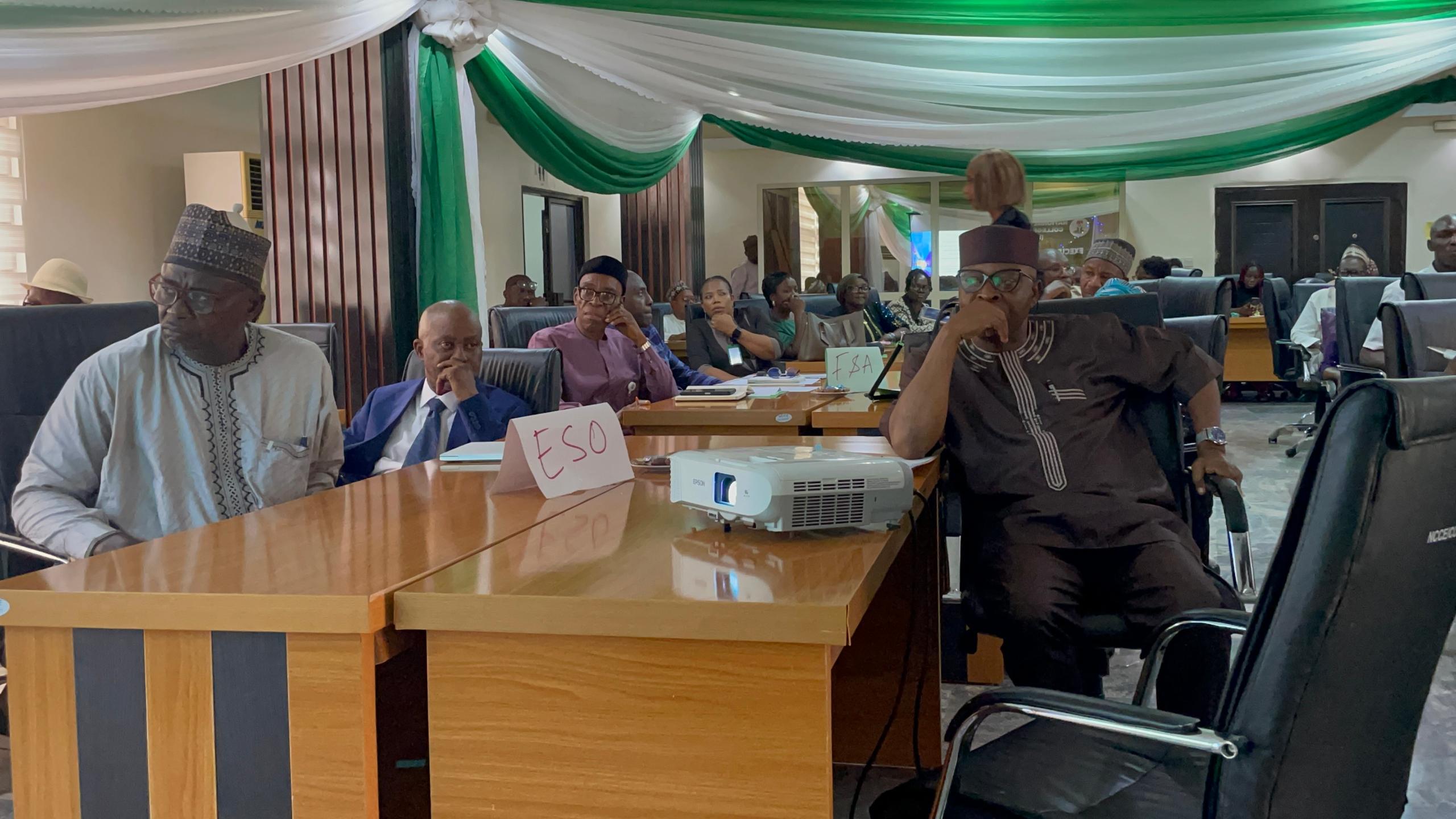
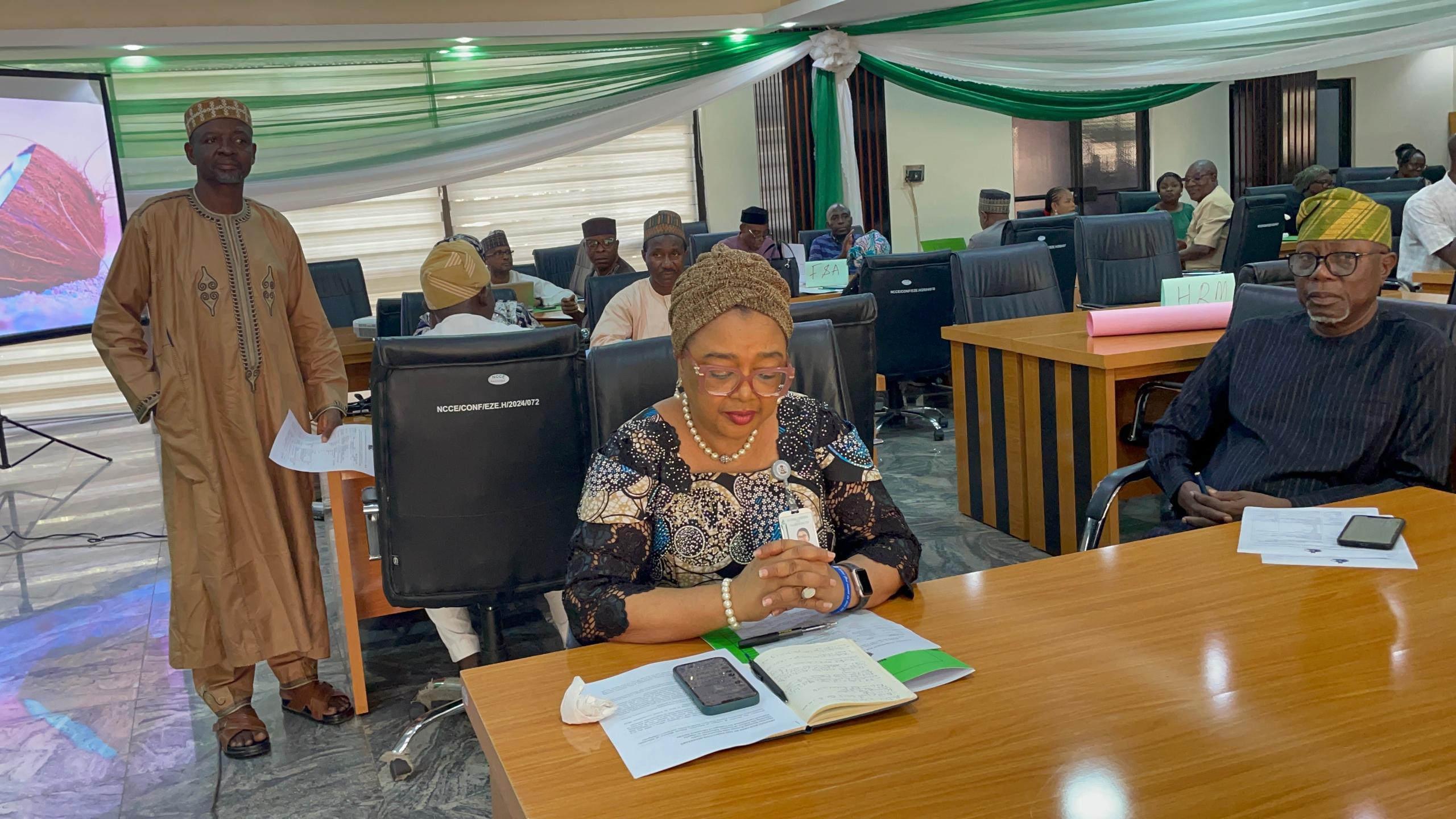
To advance this stage, the National Commission for Colleges of Education ( NCCE) convened a three-day workshop in Abuja, bringing together key stakeholders and end users of the curriculum to examine the draft documents and ensure their relevance and workability.
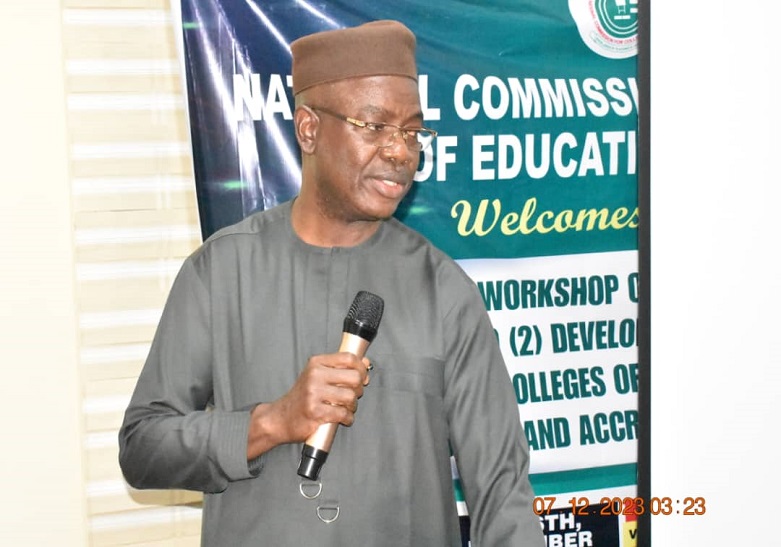
At the workshop in Abuja, the Honourable Minister of State for Education, represented by Dr. Claris Ujam, declared the event open and commended the Commission for its diligence in driving the review process. She stated, “The NCE remains the minimum qualification for teaching at the basic education level, and the quality of its standards directly impacts learning outcomes across our nation.” She stressed that teacher education must remain dynamic and responsive to changing educational realities.
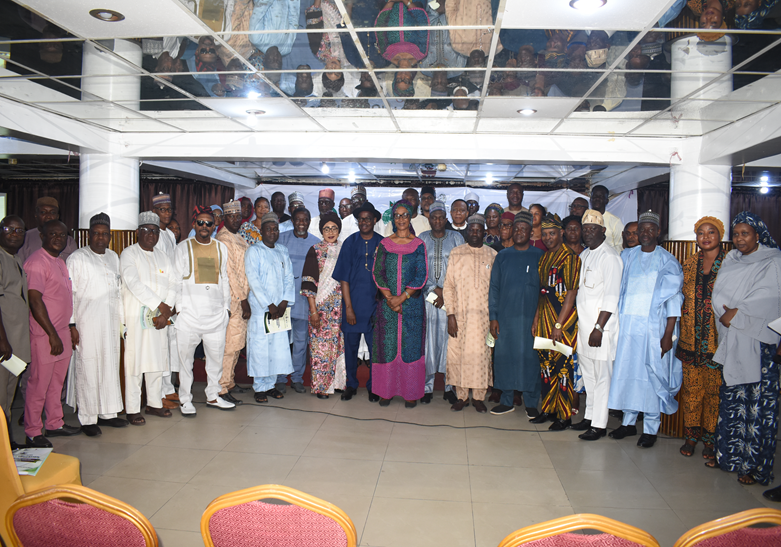
Dr. Ujam noted that rapid technological advancement and evolving teaching approaches require a forward-looking teacher preparation system. According to her, the revised framework moves teacher education beyond theory to a competency-based and practice-oriented model. “Our graduates must possess subject mastery, classroom management skills, digital competence, and the capacity to support the holistic development of learners,” she said, adding that emphasis has been placed on digital literacy, inclusive education, and strengthened teaching practice.
She further urged participants to actively scrutinize the document, emphasizing that innovation must be practical. “Relevance must be matched with feasibility,” she said, adding that the standards must be implementable across Colleges of Education despite differences in capacity and infrastructure. She reaffirmed the Federal Government’s commitment to supporting reforms through policy direction, institutional strengthening, and partnerships.
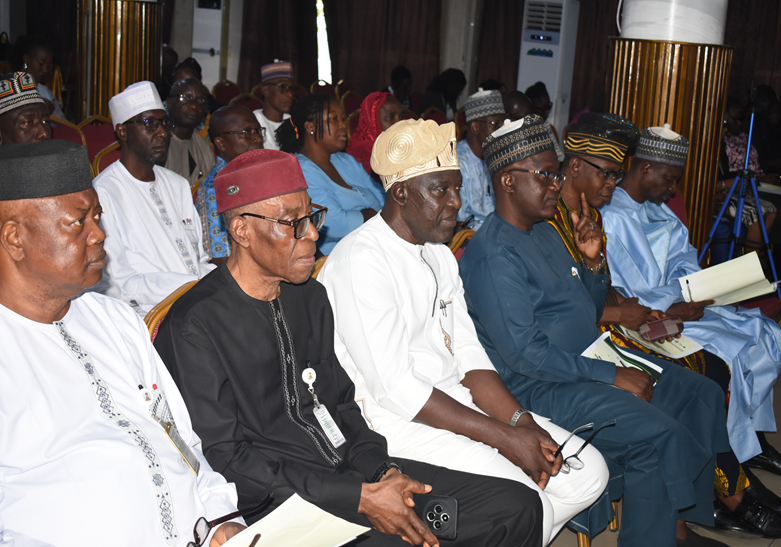
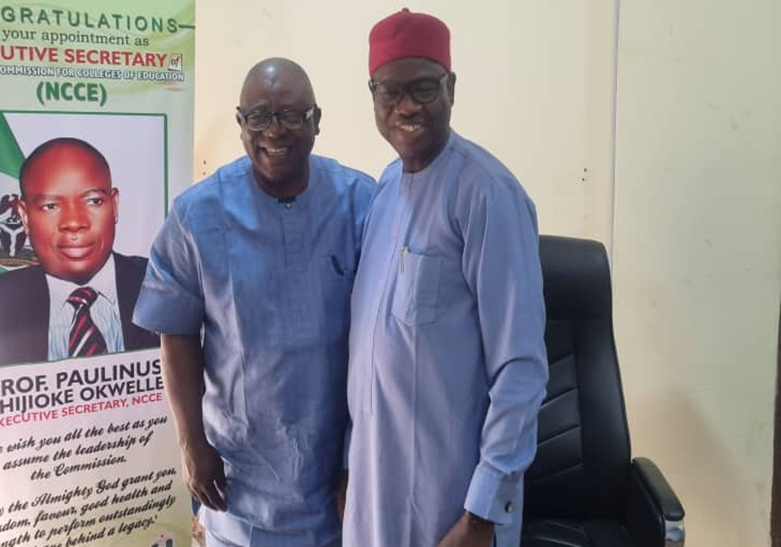
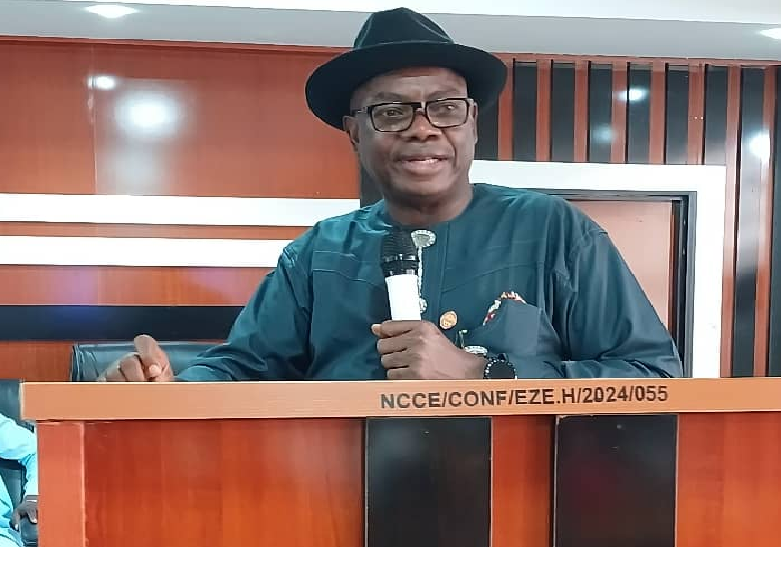
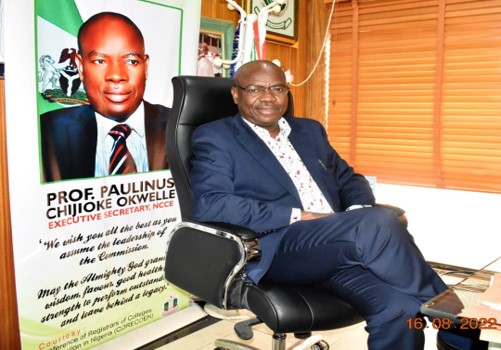
In his remarks, the Executive Secretary of NCCE, Professor Paulinus Chijioke Okwelle, appreciated the Minister of State for Education, Professor Suwaiba Ahmad Sa’id, development partners, and stakeholders for their contributions. “This workshop marks a critical milestone in the ongoing review of the NCE Minimum Standards,” he said, explaining that the draft documents were developed through wide consultations to address gaps in competency-based teacher preparation, teaching practice, digital literacy, and inclusive education.
Professor Okwelle added that the validation exercise goes beyond procedure. “This is a strategic opportunity to ensure the standards are relevant, implementable, and responsive to the realities of our colleges and classrooms,” he stated.
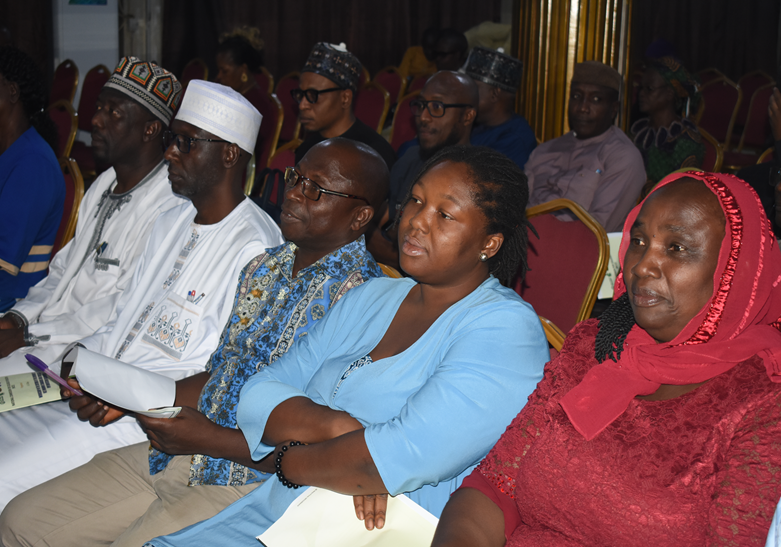
He noted that the Curriculum Implementation Framework was designed as a practical guide to help lecturers translate standards into effective teaching and learning and ultimately produce competent, innovative, and inclusive teachers for 21st century learners.
Speaking during an interview with NCCE Media Relations crew, the lead consultant and UNESCO National Consultant for the project, Professor Gabriel Egbe, explained that curriculum review follows a cycle in which stakeholders must critique the document to confirm it aligns with guidelines and national realities. He said the next stage would be editorial harmonization before final approval and capacity building for lecturers who will implement the curriculum, describing the reform as a significant step toward strengthening Nigeria’s basic education system through better prepared teachers.
0 Comment(s)
Leave A Comment
Recent Post