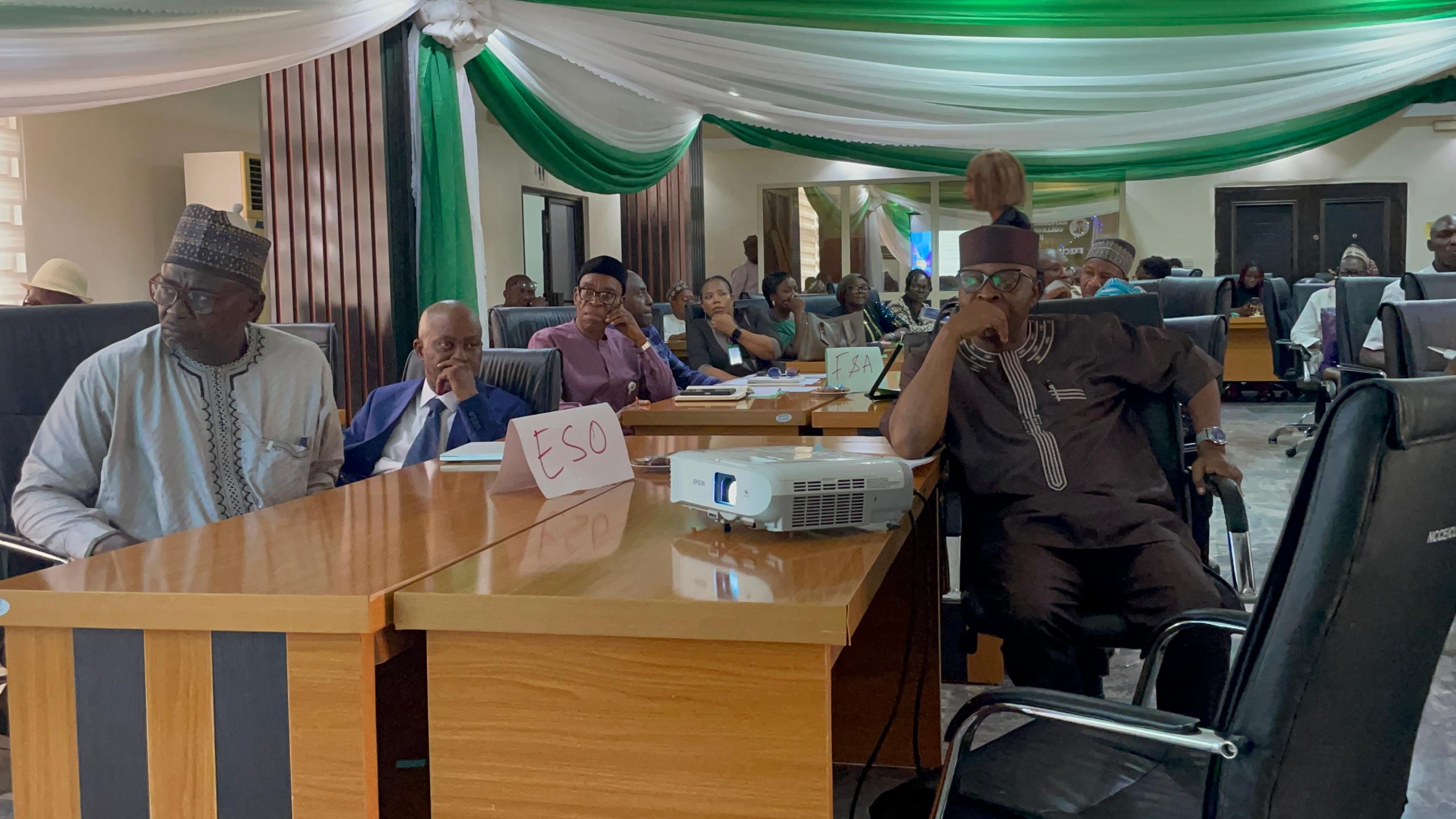
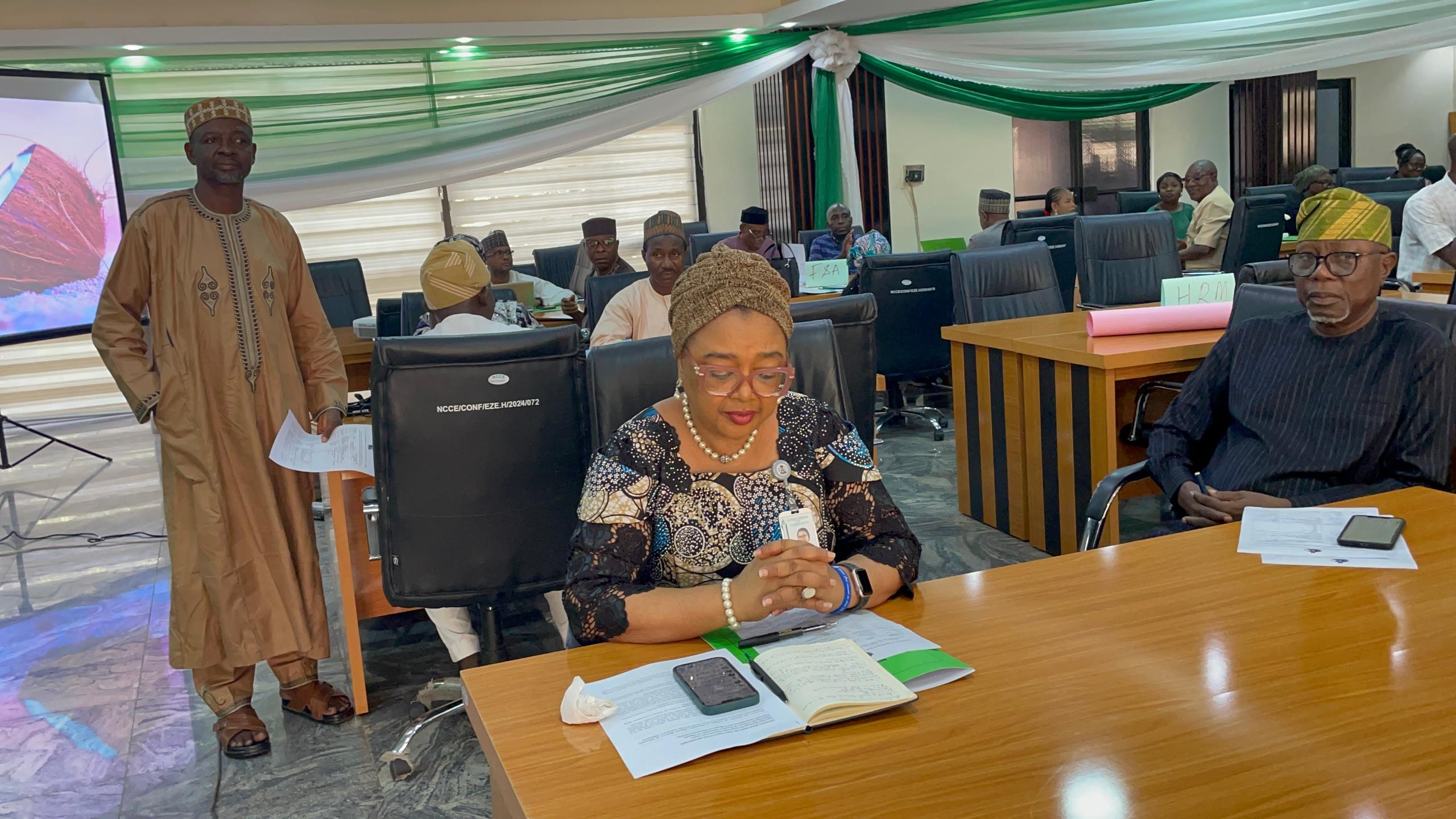
Play Based Learning Training for Crèche Instructors
Special Event : 10/12/2026 10:53:10 AM By: Info. Corp. Services Directorate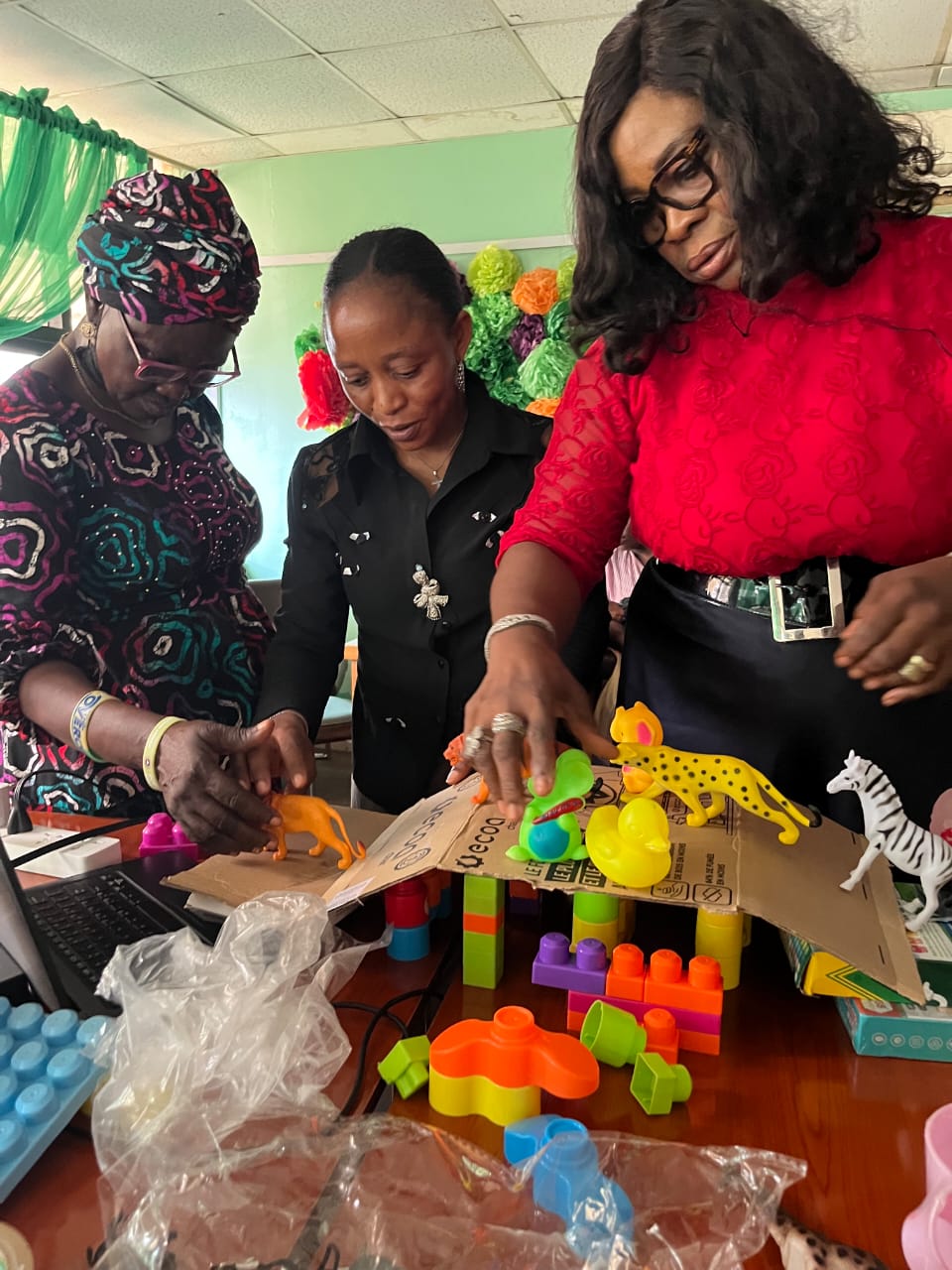
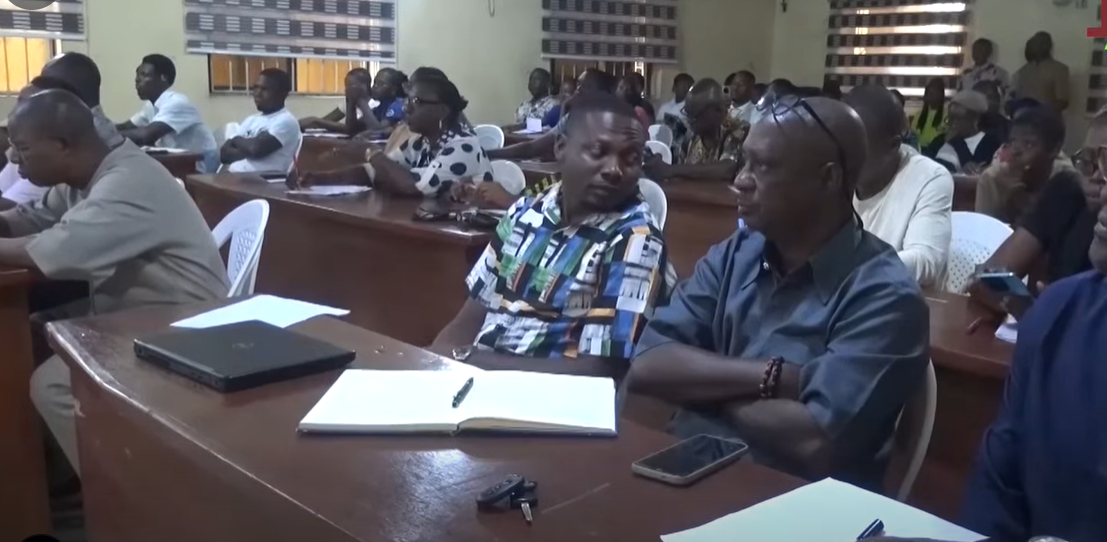
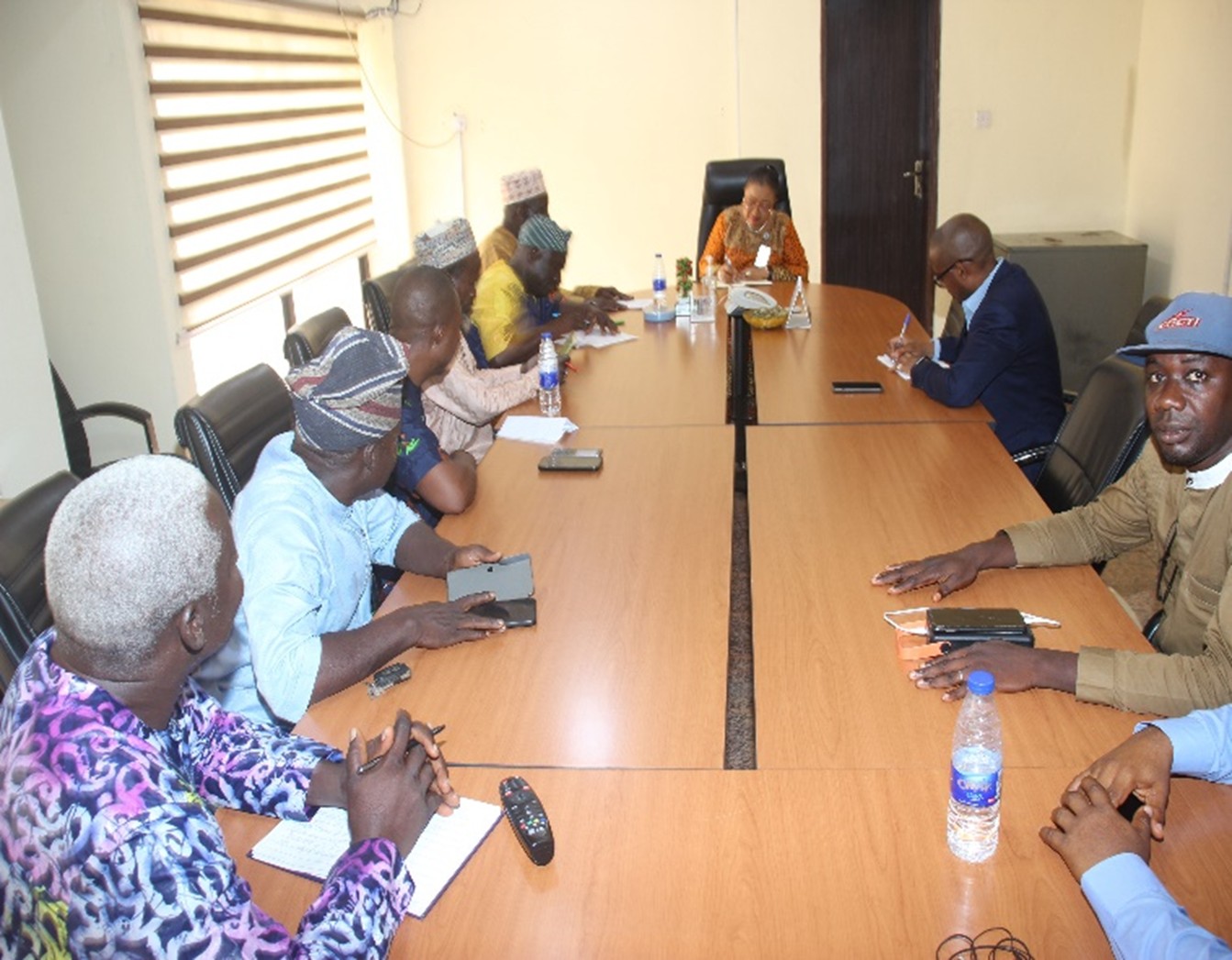
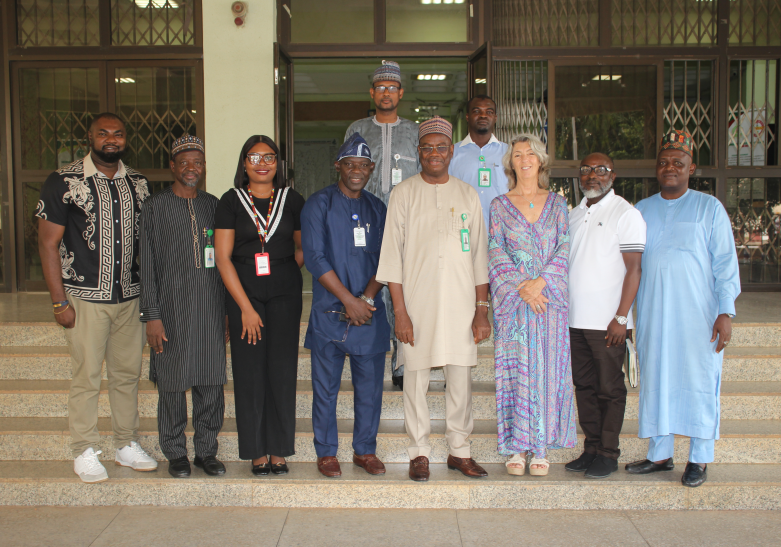
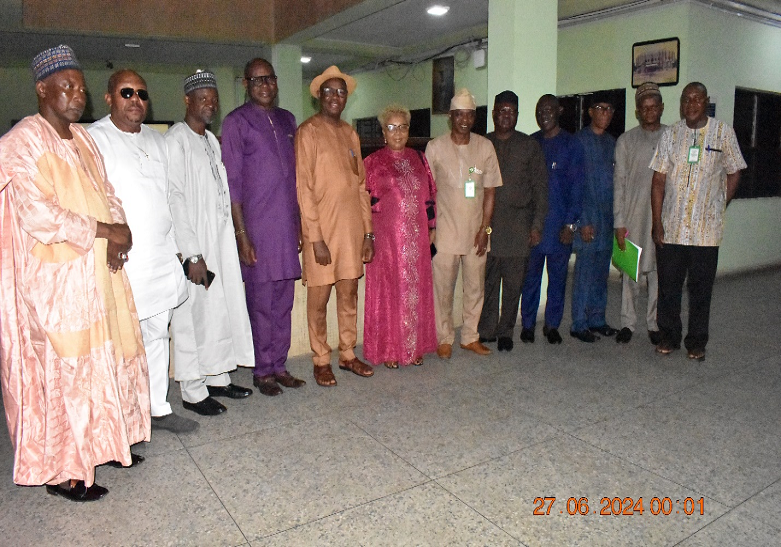
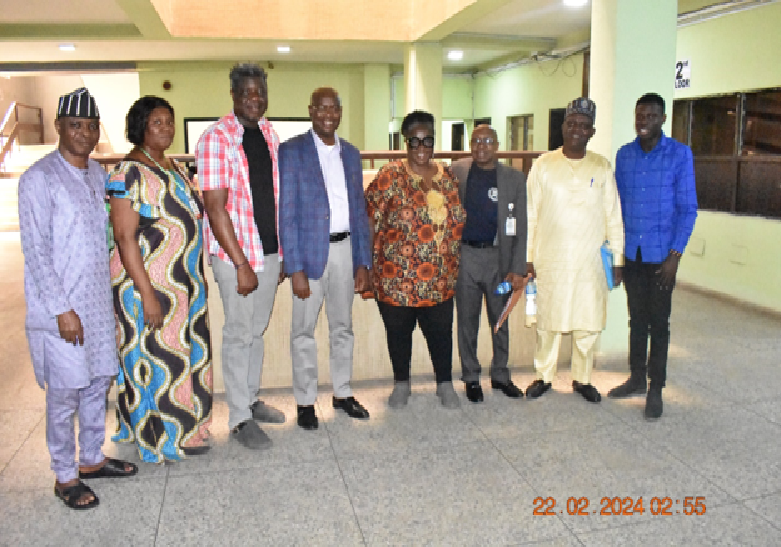
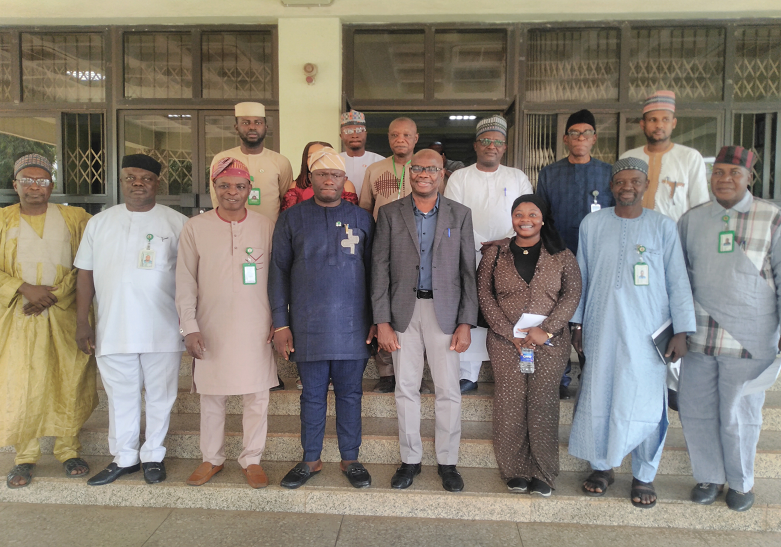
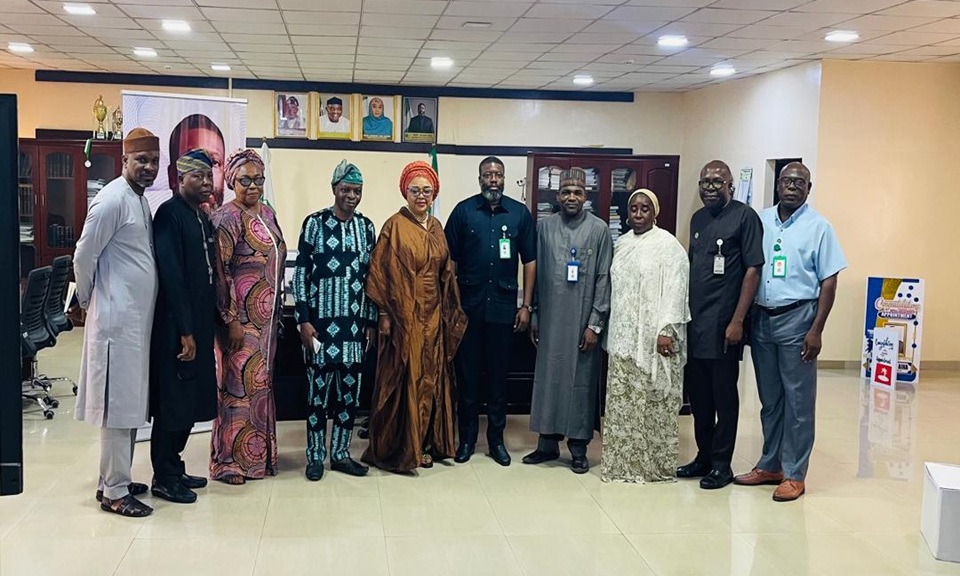
More than 10 instructors from a Federal Ministry of Education crèche took part in a practical training on purposeful play, exploring how simple activities can support children’s learning while keeping their choices and ideas at the centre.
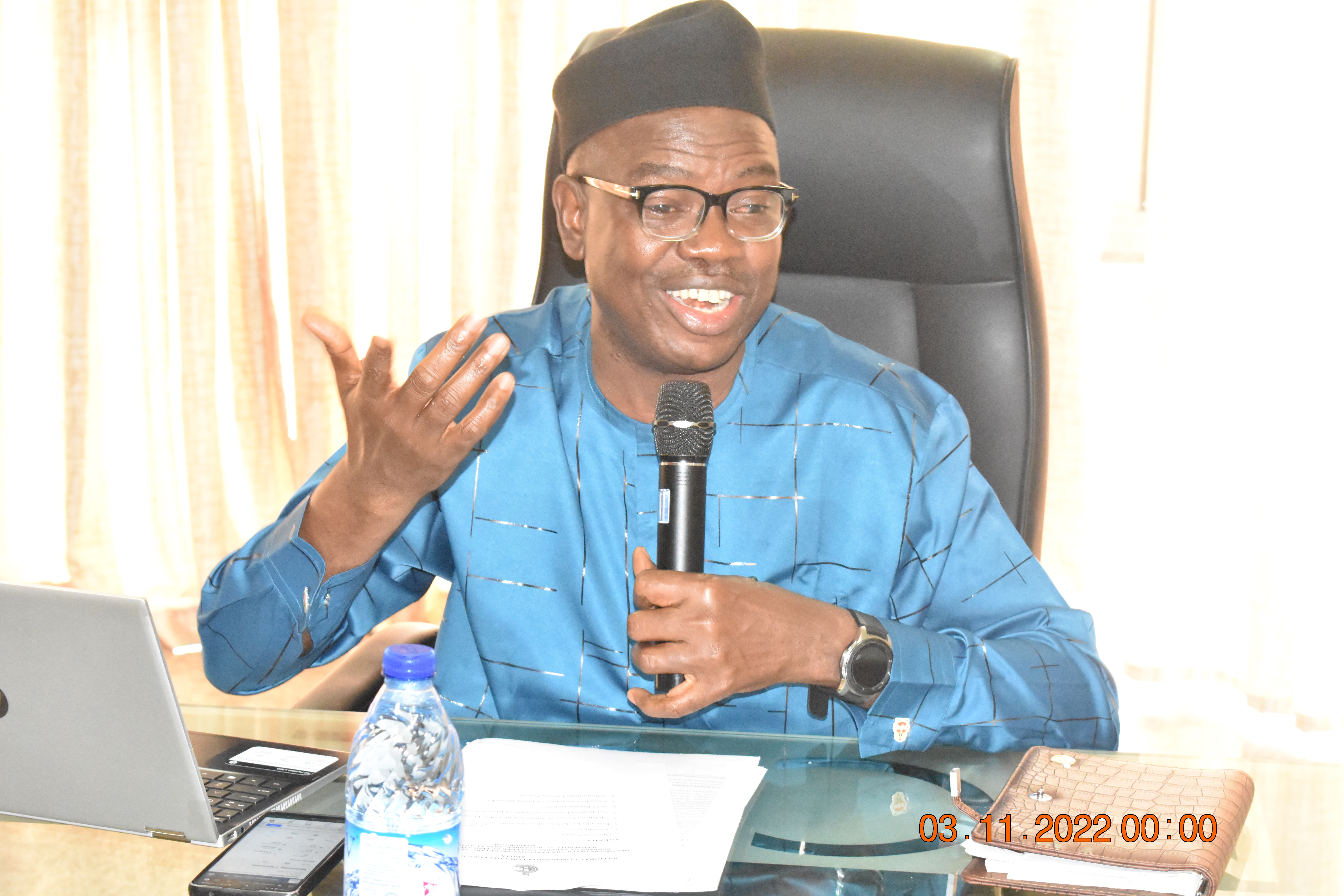
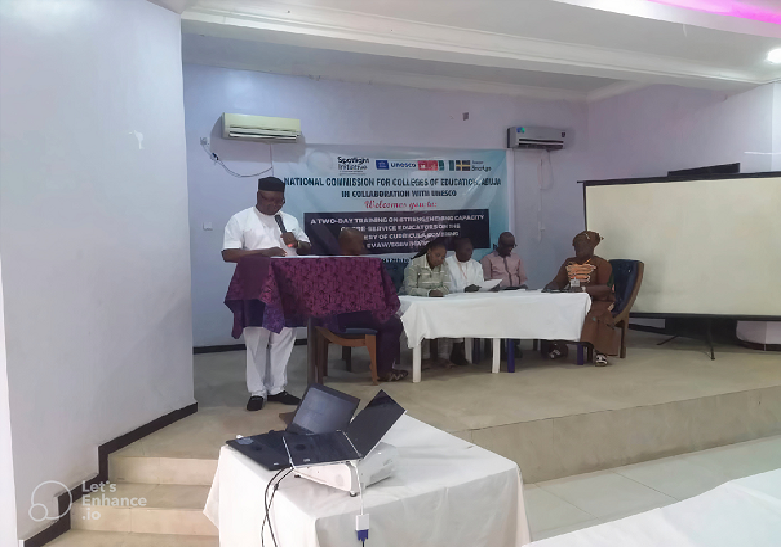
The Play Demonstration and Practical Training took place on Monday, 12 October 2026, from 10.00 a.m. to 12.00 noon. Led by CREESAN Lead Consultant Muleh Atta, the session combined theory, hands-on demonstrations, role-play and group planning for early childhood care, development and education (ECCDE) and teacher preparation.
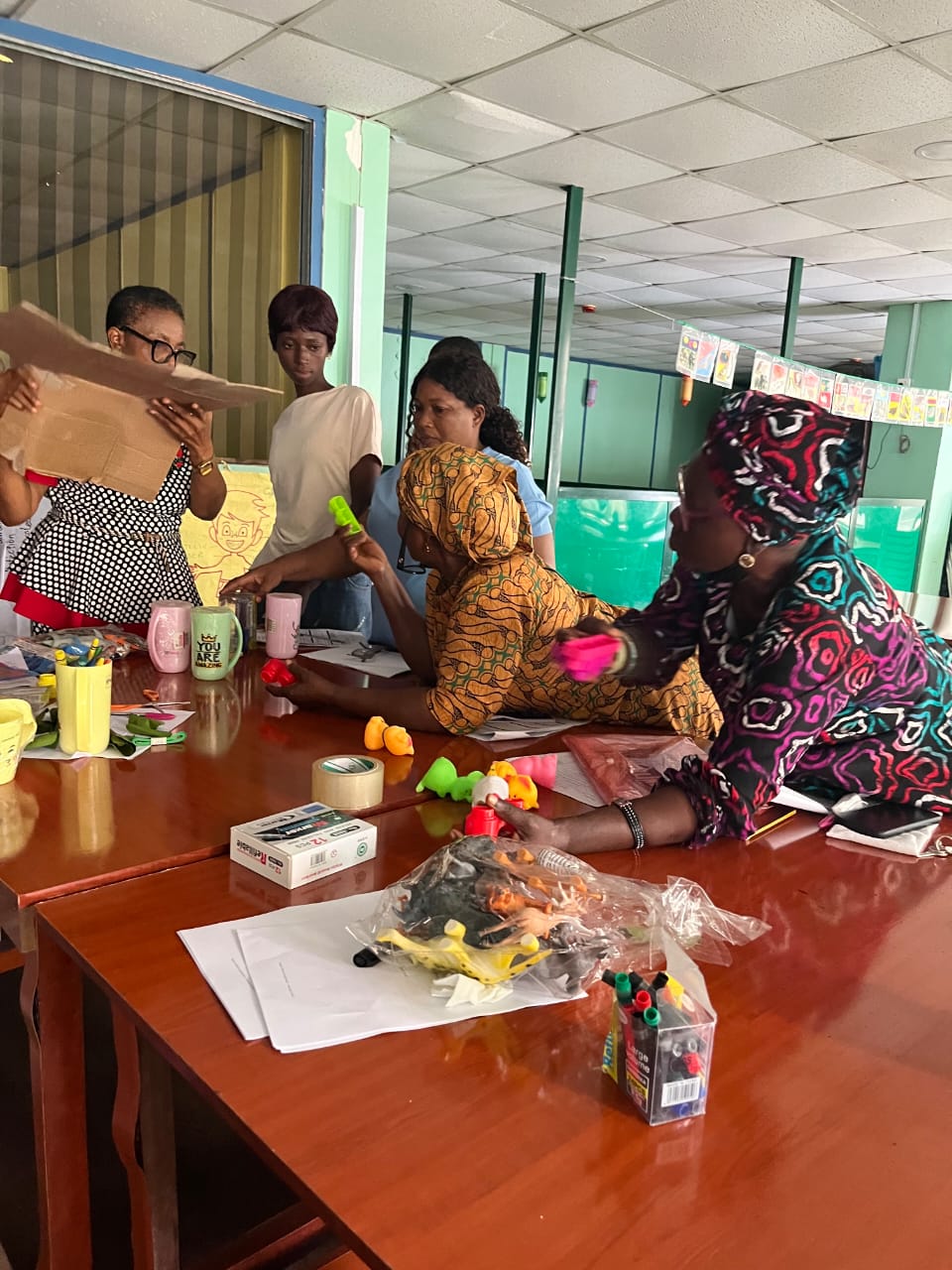 Three activities brought the ideas to life. In “The Challenge of the Bridge”, groups built, tested and improved a bridge with simple materials, exploring design, mathematics, problem-solving and collaboration. “Sort, Discover and Explain” used sorting and regrouping to practise classification, counting, language and flexible thinking. In “Move, Imagine and Create”, participants role-played ways to cross a river, move through a forest and respond to an obstacle, drawing on imagination, communication and cooperation.
Through the activities, instructors considered how adults can prepare safe, accessible materials, observe children’s choices and attempts, and ask thoughtful questions without taking over. The handbook’s “Look, Listen, Note, Respond” sequence captured this role: notice what children do and say, record observable evidence, then decide how to support or extend their learning.
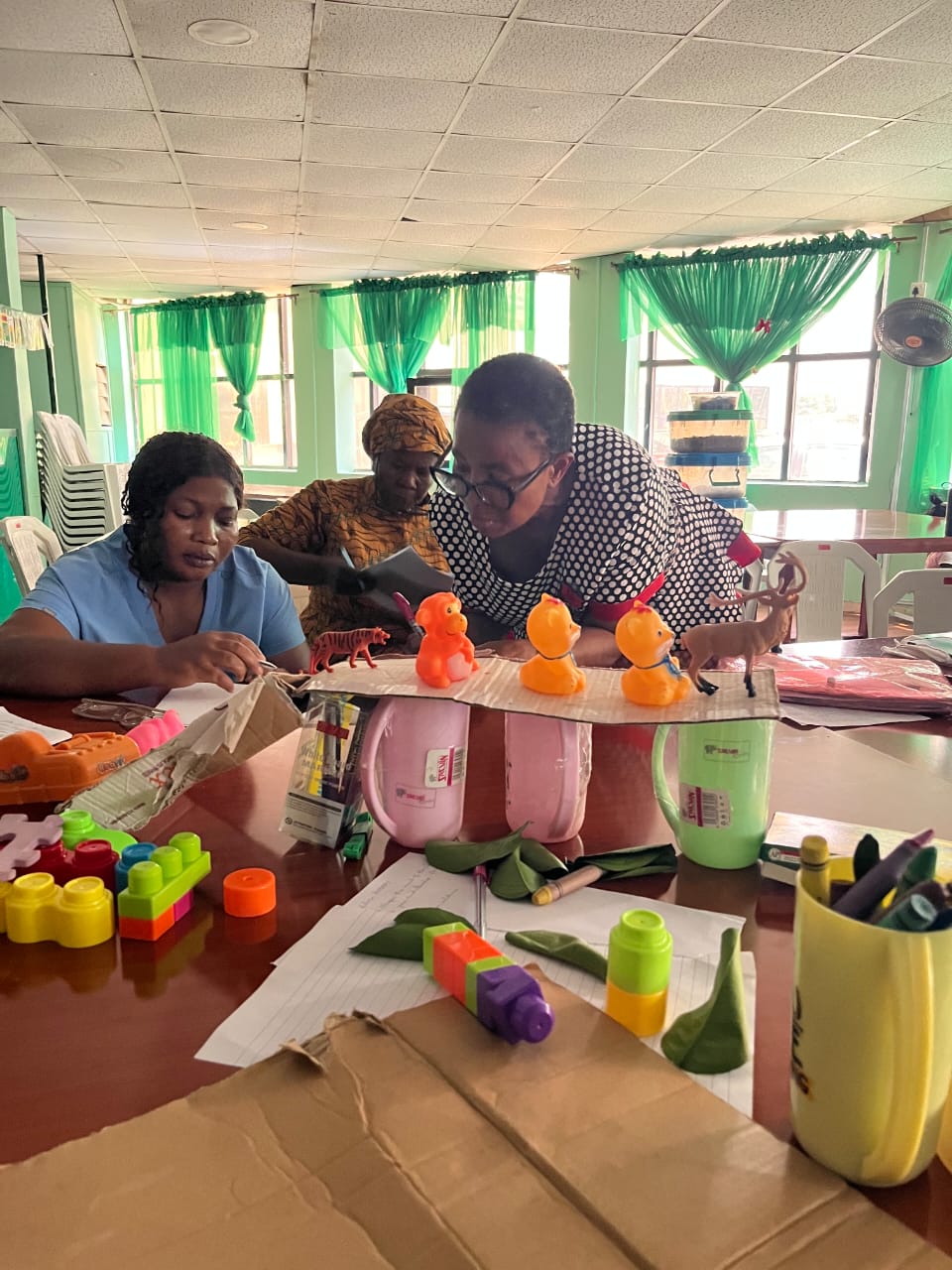 A central lesson was that toys alone do not make purposeful play. The activity needs a learning intention, meaningful choices, active engagement and a responsive adult. In a group challenge, participants planned a short activity for children aged about four to six, considering its purpose, materials, safety, inclusion and the evidence of learning they would look for.
Key takeaways and lessons for teacher preparation:
Play supports intentional learning when a clear purpose is combined with children’s curiosity, agency and choice.
Familiar, low-cost materials can prompt problem-solving, early mathematics, language, creativity and cooperation.
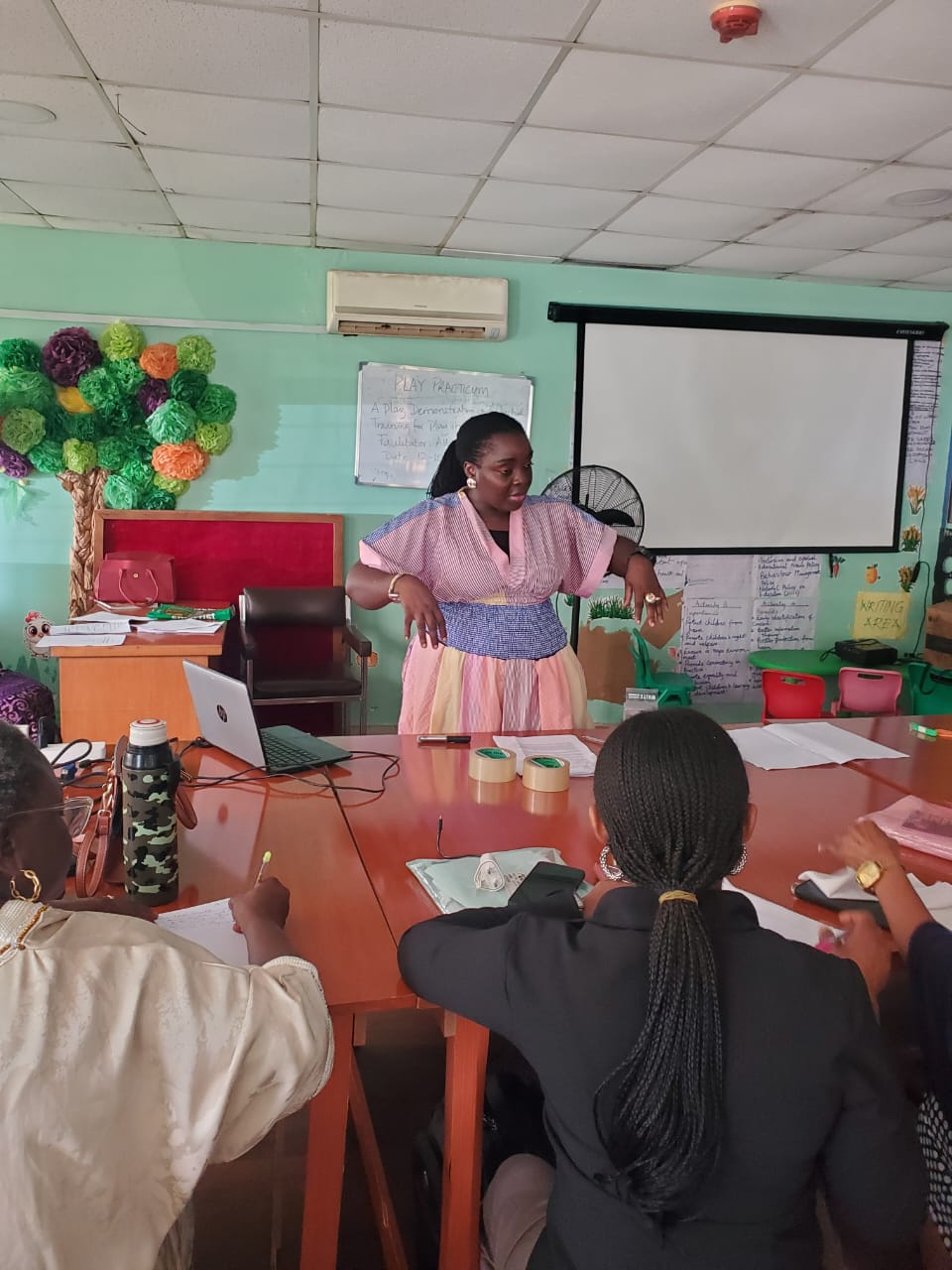 The adult facilitates rather than solves; observation and open questions help children explain, test and revise ideas.
Instructors should document observable evidence and plan safety and inclusion from the start.
For NCCE, the session provides a practical model for teacher preparation: pair theory with demonstration, role-play, planning and reflection, and assess whether instructors can design a safe activity and identify evidence of learning.
0 Comment(s)
Leave A Comment
Recent Post